History of the 2nd Florida Co. I. "Hamilton
Blues"
Florida Secedes from the
Union
In early January 1861, a special convention of delegates from around the
state met in Tallahassee to consider whether Florida should leave the Union.
Governor Madison Starke Perry and Governor-elect John Milton were both strong
supporters of secession. For days, the issues were debated inside and outside
the convention. In a minority opinion, former territorial governor Richard Keith
Call, acting as a private citizen, argued that secession would bring only ruin
to the state.
On January 10, 1861, the delegates voted sixty-two to seven to withdraw
Florida from the Union. The next day, in a public ceremony on the east steps of
the capitol, they signed a formal Ordinance of Secession. News of the event
generally led to local celebrations. Later, the delegates adopted a new state
constitution. Florida was the third state to leave the Union, and within a month
it joined with other southern states to form the Confederate States of America.

Ordinance of Secession. (Transcript)
We, the People of the State of Florida in Convention assembled, do solemnly
ordain, publish and declare: That the State of Florida hereby withdraws herself
from the Confederacy of States existing under the name of the United States of
America, and from the existing Government of said States; and that all political
connection between her and the Government of said States ought to be and the
same is hereby totally annulled, and said union of States dissolved; and the
State of Florida is hereby declared a Sovereign and Independent Nation; and that
all ordinances heretofore adopted in so far as they create or recognize said
Union are rescinded; and all laws or parts of laws in force in this State, in so
far as they recognize or assent to said Union be and they are hereby repealed.
Done in open Convention, January 10th, A.D. 1861
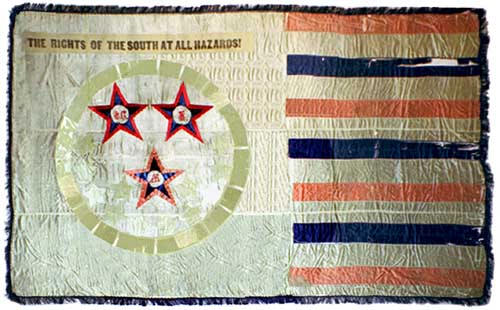
Florida's Secession Flag
Helen Broward, of Broward's Neck in Duval County, and other southern women who
supported the secessionist cause made and presented this flag to Florida
Governor Madison S. Perry. It was unfurled by Governor-elect John Milton on the
east porch of the state capitol when the delegates signed Florida's Ordinance of
Secession on January 11, 1861. The three large stars represent the first three
states to leave the Union: South Carolina, Mississippi, and Florida. The flag's
motto, "The Rights of the South at All Hazards!", echoes the uncompromising
position of southern supporters on the eve of the Civil War. The banner
reportedly hung above the speaker's desk in the Florida House of Representatives
throughout the war.
At the war's end, the banner still hung in the capitol and reportedly was
taken as a trophy by a Union army officer during the postwar occupation of the
building. It is recorded that this officer later felt guilty about taking the
banner and gave it to a Mrs. Hasson, the wife of a military doctor, to return it
to the state. The Hassons moved to the western U.S. shortly after this incident.
It was not until 1911 that Mrs. Hasson sent the flag to a Florida member of the
United Daughters of the Confederacy, who then returned it to the State of
Florida.
MILITARY ORGANIZATION
The 2nd Florida Regiment, as it was first organized, was
composed of ten companies as follows:
Alachua Guards, Alachua county (Co. B), Capt. Lew
Williams;
Columbia Rifles, Columbia county (Co. C), Capt. Walter R. Moore;
Leon Rifles, Leon county (Co. D), Capt. T. V. Brevard, Jr.;
Hammock Guards; Marion county (Co. E), Capt. John D. Hopkins;
Gulf State Guards, Jackson county (Co. F), Capt. Jones F. McClellan;
St. Johns Greys, St. Johns county (Co. G), Capt. J. J. Daniels;
St. Augustine Rifles, Putnam county (Co. H), Capt. John \V. Starke;
Hamilton Blues, Hamilton county (Co. I), Capt. Henry J. Stewart;
Davis Guards, Nassau county (Co. K), Capt. George W. Call;
Madison Rangers, Madison county (Co. L), Capt. \V. P. Pillans.
In the early days of July [1861] these ten companies were
ordered to rendezvous near the Brick Church, just west of Jacksonville, now
[1903] known as LaVilla, and on July 13 the Regiment [Companies B through L] was
mustered into the Confederate service by Maj. W. T. Stockton. The Regiment was
organized by the election of George T. Ward, of Leon county, Colonel; S. St.
George Rogers, of Marion county, Lieutenant-Colonel; and Louis G. Pyles, of
Alachua county, Major. The following Staff appointments were then made: Dr.
Thomas Palmer, Surgeon; Dr. Thomas W. Hendry, Assistant Surgeon; Capt. Edward M.
L'Engle, Assistant Quartermaster; Capt. W. A. Daniel, Assistant Commissary;
Lieut. R. B. Thomas, Adjutant; Edward Houston, Sergeant Major; T. W. Givens,
Quartermaster Sergeant.
On Monday, July 15th, the Regiment left by rail for Virginia,
arriving in Richmond Sunday afternoon, July 21st [1861]. The Regiment was in
Camp of Instruction, in the neighborhood of Richmond, nearly two months. On
September 17, 1861, the Regiment left Richmond for Yorktown, where they were
joined by the Rifle Rangers of Escambia county (Co. A), Capt. E. A. Perry.
[Company M was most probably added to the Regiment in the same time frame.]
During the fall of 1861, and the winter following, the
Regiment was encamped near Yorktown, forming a part of Major General J. B.
Magruder's Command. Early in October Lieutenant Thomas was ordered to report to
Richmond and Lieut. Seaton Fleming was assigned to duty as Adjutant. It was at
the siege of Yorktown that the Regiment received its "baptism of fire." On May
5th [1862], at Williamsburg, the Regiment again distinguished itself by its
gallant resistance to McClellan's advance. In this battle Col. George T. Ward
was killed, and Companies E, D and L each lost one man, making four killed; and
every company in the Regiment had one or more wounded, making thirty wounded.
Among the seriously wounded was Lieut. C.S. Fleming. The 2nd Florida, being
twelve months' men, were by Act of Congress required to remain in the service
two years longer; this act was known as the Conscript Laws and gave them a right
to reorganize by a re-election of officers, which should have taken place on May
3rd; but owing to the battle of Williamsburg reorganization did not take place
until the following week or May l0th. At the reorganization Capt. E. A. Perry
was elected Colonel; Maj. L. G. Pyles, Lieutenant-Colonel; and Capt. George W.
Call, Major. All the companies in the Regiment changed their captains except B
and C. On May 31st [1862] the Regiment was engaged in the battle of Seven Pines,
where it lost 6 officers., 4 non-commissioned and 24 privates killed. Wounded,
17 officers, 21 non-commissioned officers and 106 privates; total casualties,
178. In the battle of Seven Pines Maj. George W. Call was killed, and Lieut-Col.
L. G. Pyles was wounded and disabled. Of the eleven captains who went into the
battle, four, J. H. Pooser, C. S. Flagg, A. C. Butler and T. A. Perry were
killed, and six, W. D. Ballantin (Co. A), Lew Williams (Co. B), W. R. Moore (Co.
C), M. G. C. Musgrove (Co. D), W. E. Caslin (Co. E) and M. J. Duncan (Co. I)
were wounded. Shortly after the battle of Seven Pines Co. M was assigned to this
Regiment, making twelve companies in all. After the battle of Seven Pines
followed in quick succession the battles of Cold Harbor, Gaines' Mill, Savage
Station, Frazier's Farm and Malvern Hill. In the battles of Ellison's Mill and
Frazier's Farm, June 26 and 27 [1862], the Regiment lost 8 killed and 52
wounded; among the killed was G. W. Parkhill, Captain of Co. M. At the battle of
Frazier's Farm, June 30 [1862], the Regiment lost: Killed, 2 officers, 1
non-commissioned officer and 11 privates; wounded, 3 officers, 2
non-commissioned officers and 62 privates. Among the wounded was Col. E. A.
Perry.
Following the battle of Frazier's Farm came the Maryland
campaign. On December 13[1862] the battle of Fredericksburg was fought. The
Regiment lost: killed, 1 non-commissioned officer and 3 privates; wounded, 4
officers, 5 non-commissioned officers and 25 privates (casualties in Co. K not
reported). A partial report of the casualties at Chancellorsville [May 1863]
show 3 officers and 17 privates wounded, and 3 privates killed. In the battle of
Gettysburg [July 1863]: Killed, 6 officers, 4 non-commissioned officers and 5
privates; wounded, 6 officers, 6 non-commissioned officers and 54 privates;
total casualties, 81. There is no report accessible of the casualties during the
year 1864 and 1865, and it was during these years that some of the most
desperate and bloody battles were fought; and in all of them the 2nd Florida did
its full measure of duty. It was but a skeleton of a splendid regiment that
surrendered at Appomatox Court House -- but 7 officers and 59 men."
[Source: "Soldiers of Florida in the Seminole Indian-Civil
and Spanish-American Wars." Prepared and published under the supervision of the
Board of State Institutions, As authorized by Chapter 2203 Laws of Florida,
approved May 14, 1903. Printed by Democrat Book and Job Print, Live Oak,
Florida.]
Assignments:
Unattached, Army of the Peninsula (September 1861)
Rains' Division, Army of the Peninsula (December 1861 - April 1862)
Ward's Command, D. H. Hill's Division, Department of Northern Virginia (April -
May 1862)
Garland's Brigade, D. H. Hill's Division, Department of Northern Virginia (May -
June 1862)
Pryor's Brigade, Longstreet's Division, Army of Northern Virginia (June - July
1862)
Pryor's Brigade, Longstreet's Division, 1st Corps, Army of Northern Virginia
(July - September 1862)
Pryor's-Perry's Brigade, Anderson's Division, 1st Corps, Army of Northern
Virginia (September 1862 - May 1863)
Pryor's-Finegan's Brigade, Anderson's-Mahone's Division, 3rd Corps, Army of
Northern Virginia (May 1863 - April 1865)
Battles:
Yorktown Siege (April - May 1862)
Williamsburg (May 5, 1862)
Seven Pines (May 31 - June 1, 1862)
Seven Days Battles (June 25 - July 1, 1862)
Beaver Dam Creek (June 26, 1862)
Gaines' Mill (June 27, 1862)
Frayser's Farm (June 30, 1862)
2nd Bull Run (August 28-30, 1862)
Antietam (September 17, 1862)
Fredericksburg (December 13, 1862)
Chancellorsville (May 1-4, 1863)
Gettysburg (July 1-3, 1863)
Bristoe Campaign (October 1863)
Mine Run Campaign (November - December 1863)
The Wilderness (May 5-6, 1864)
Spotsylvania Court House (May 8-21, 1864)
North Anna (May 22-26, 1864)
Cold Harbor (June 1-3, 1864)
Petersburg Siege (June 1864 - April 1865)
Weldon Railroad (June 23, 1864)
Ream's Station (June 30, 1864)
Weldon Railroad (August 21, 1864)
Bellfield (December 9, 1864)
Hatcher's Run (February 5-7, 1865)
Farmville(April 7, 1865)
Appomattox Court House (April 9, 1865)
This Regiment's Chain of Command:
Army -
Army of Northern Virginia
Corps -
Longstreet's Command
Division -
Anderson's Division
Brigade -
Pryor's Brigade
The Florida State Song
The Swanee River (Old Folks at
Home)
Words and music by Stephen C. Foster (1826-1864) |
   FIRST VERSE
    Way down upon de Swanee Ribber,
    Far, far away,
    Dere's wha my heart is turning ebber,
    Dere's wha de old folks stay.
    All up and down de whole creation
    Sadly I roam,
    Still longing for de old plantation,
    And for de old folks at home.
   CHORUS
    All de world am sad and dreary,
    Eb-rywhere I roam;
    Oh, darkeys, *how my heart grows weary,
    Far from de old folks at home!
   SECOND VERSE
    All round de little farm I wandered
    When I was young,
    Den many happy days I squandered,
    Many de songs I sung.
    When I was playing wid my brudder
    Happy was I;
    Oh, take me to my kind old mudder!
    Dere let me live and die.
   THIRD VERSE
    One little hut among de bushes,
    One dat I love
    Still sadly to my memory rushes,
    No matter where I rove.
    When will I see de bees a-humming
    All round de comb?
    When will I hear de banjo strumming,
    Down in my good old home?
|
Additional Information
Florida contributed more than
15,000 troops to the Confederate war effort. While this was a small number when
compared with other southern states, it was the highest percentage of available
men of military age from any Confederate state. Florida troops were organized
into eleven regiments of infantry; two regiments of cavalry; and numerous
smaller units, including artillery, home-guard, and militia.
By mid-1862 most of Florida's soldiers had been
sent outside the state. In the Army of Northern Virginia, Florida units were
organized into a Florida Brigade. Later, a second Florida Brigade was formed
from units serving in the other major Confederate army, the Army of Tennessee.
Floridians fought in most of the major battles of the war, including the epic
Battle of Gettysburg, where they suffered heavy casualties.
Patriotism for the southern cause, so common at
the beginning of the war, was later tempered by exposure to an increasing amount
of death and suffering. At first, the South relied on volunteers, but as early
as April 1862 it was necessary to institute a draft in order to fill the ranks.
Draftees and those disillusioned by years of war increasingly deserted the
Confederate ranks in the latter part of the conflict. Bands of deserters in
Florida operated against southern authority in parts of the state.
Approximately 5,000 Floridians (about one out of
every three soldiers) died or were killed in Confederate service. Many of those
who survived were disabled or had their lives shortened due to health problems
related to the hardships of military service.
Probably the most infamous of all the men in Co. I was
Lewis Thornton Powell. Lewis Powell was born in
Randolph County, Alabama on
April 22, 1844 to a Baptist minister, George Cader, and his
young wife Patience Caroline Powell. The youngest of ten
children, he spent the first three years of his life in Randolph
County before his father was ordained and the family moved to
Stewart County, Georgia. Powell
and his siblings were all educated by their father who was the
school master at the school. In his early years, Lewis was
described as quiet and introverted. He enjoyed reading and
studying. An animal lover who took the liberty to nurse and care
for sick and stray animals, he earned the nickname 'Doc'. When
Lewis was 13, he was violently kicked in the face by the
family's donkey, breaking his jaw. The break healed, making his
jaw more prominent on the left side of his face. After some
years in Stewart County, the family moved to Worth County, then
finally moving to Live Oak, Florida in 1859, when Lewis was 15.
On May 30, 1861 at age 17, Lewis left
home and enlisted in the 2nd Florida Infantry, Company I in
Jasper, Florida. Sometime in
November, 1862, he was hospitalized for "sickness" at General
Hospital #11 in
Richmond, Virginia. He went on
to fight at numerous battles unscathed before being wounded in
the wrist on the second day of fighting at the
Battle of Gettysburg, July 2,
1863, from where he was captured and sent to a POW hospital at
Pennsylvania College.[1]
Powell stayed at Pennsylvania College until September, when he
was transferred to West Buildings Hospital in
Baltimore, Maryland. It was at
West Buildings where Powell met and developed a relationship
with a volunteer nurse named Margaret "Maggie" Branson. It was
believed that it was with the help of Branson that Lewis was
able to escape the hospital within a week of his arrival,
fleeing to Alexandria, Virginia.
Back in Virginia,
he located Colonel
John Singleton Mosby and his
cavalry in late fall 1863 and rode with the 43rd Battalion,
Company B. After leaving the company, he returned to Baltimore
on January 13, 1865, crossing the lines at Alexandria. Powell
returned to the boarding house of Maggie Branson. During his
time with the Rangers, in 1864, Powell became involved in the
Confederate Secret Service. It
was in Baltimore that he was arrested for severely beating a
black servant at the Branson house. He was arrested and held in
jail 2 days on charges of being a "spy". Required to sign an
Oath of Allegiance, he did so, under the name Lewis Paine. It
was also in Baltimore that he met fellow CSS operative
John Surratt through a man
named David Preston Parr, also with the CSS.
After being escorted to the Seward residence by
David Herold, Powell attempted
to kill William Seward on April 14, 1865, the same night that
John Wilkes Booth assassinated
President
Abraham Lincoln, by breaking
into his bedroom and stabbing him repeatedly. Earlier in the
month, on April 5, 1865, Seward had been injured in a carriage
accident, and suffered a concussion, a broken jaw, a broken
right arm, and many serious bruises. A jaw splint worn by Seward
helped to save his life by deflecting the knife away from his
jugular vein. He also injured
two of Seward's children, his nurse, Sergeant George F.
Robinson, and messenger Emerick Hansell, who arrived right as
Powell was escaping. Another member of the conspiracy,
George Atzerodt, failed to kill
Vice-President
Andrew Johnson, because he lost
his nerve and got drunk. After the
attempt on Seward's life, Powell threw his bloody knife up into
the gutter of the Seward house and fled on horseback. He
discarded his light colored coat in a Washington suburb cemetery
where he hid. At some point, the horse, purchased by John Wilkes
Booth in December 1864, that Powell was riding either threw him
or he fell off.
The horse was later found near the Lincoln
Branch Barracks, close to the Capitol.[2]
After hiding out for three days, Powell went to
Mary Surratt's boardinghouse
only to arrive at the same time that she was being arrested for
her part in the assassination.[2]
Although it was night time, when asked why he was there,
carrying a pickaxe, Powell claimed that he had been hired to dig
a gutter.[2]
Surratt denied knowing who he was, despite his having visited
and stayed at the boardinghouse on several occasions. Powell was
arrested and taken to the Navy Yard, where he was housed aboard
the monitor
USS Saugus.
Powell was tried under the name of "Payne" by a
military tribunal. He was
represented by William E. Doster, a
Yale and
Harvard graduate the former
District of Columbia provost marshal. Thirty two witnesses were
called to testify concerning Powell, including Seward's son,
Augustus, and William Bell, who worked for the Seward household
as a servant and doorman, and who admitted Powell the night of
the assassination attempt.
The evidence was overwhelming against Powell; it
included a performance at Ford Theatre attended by Powell, John
Wilkes Booth, and two boarders from Mary Surratt's
boardinghouse, Honora Fitzpatrick and Apollonia Dean.[2]
Doster tried to argue that Powell was insane at the time of the
assassination attempt, an argument refuted by physicians called
on behalf of the prosecution.[2]
He then argued that Powell was acting as a soldier, attempting
to complete his duty as he had been ordered. The commission
rejected this defense as well and Powell was found guilty of
conspiracy to commit murder and treason.
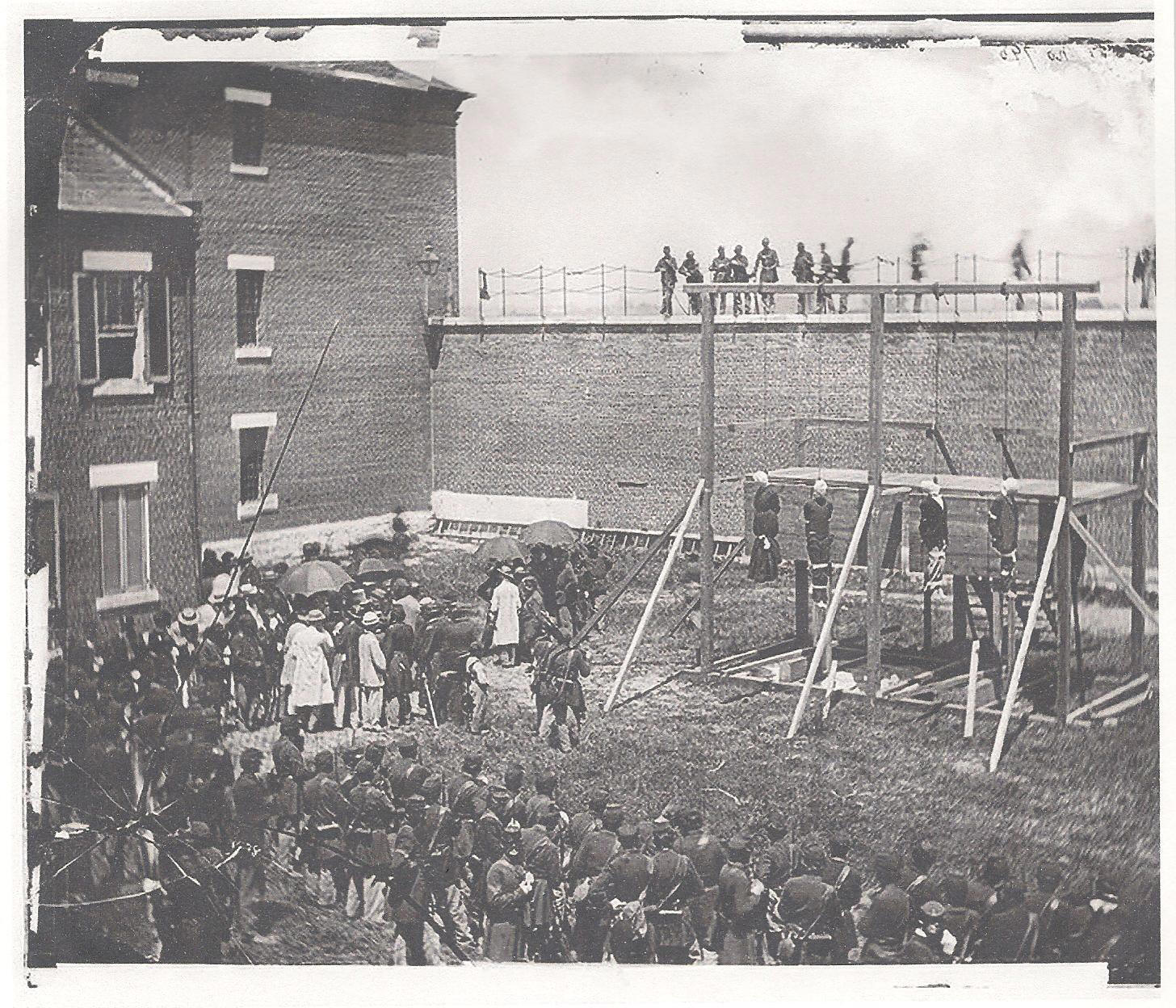
Powell was executed with three other conspirators on July 7,
1865. He went to the gallows calmly and quietly, though at some
point he was believed to have pleaded for the life of
Mary Surratt shortly before he
was hanged. His spiritual advisor, Rev. Gillette, thanked the
guards for their good treatment of him while he was in prison,
on his behalf. He insisted to his death that Mrs. Surratt was
innocent.
While hangman Christian Rath
was placing the noose over young Powell's head he remarked, "I
hope you die quick." He had been impressed by Powell's courage
and determination in the face of death. To this Powell replied,
"You know best, captain." However Powell did not die quickly as
hoped by Rath. After the drop he struggled for life more than
five minutes. His body swinging wildly, twice he "Moved his legs
up into the sitting position" and was the last to die.
George Atzerodt died instantly
with a broken neck.
David Herold gave a brief
shudder and urinated.
Mary Surratt, whose neck did
not break upon impact, also shuddered for several minutes before
dying.
In January 1992, Powell's skull was
discovered and stored at the
Smithsonian
Anthropology Department. Two years later the
skull was re-interred with the rest of his
remains at the Geneva Cemetery in
Seminole County, Florida,
next to the grave of his mother.
On April 13,
Booth,
George Atzerodt and
David Herold all met at
Powell's room at a boarding house in Washington, where Booth
assigned roles. Powell was to go to the home of Secretary of
State
William Seward and kill him,
accompanied by Herold. Atzerodt would assassinate Vice President
Johnson, and Booth; Abraham Lincoln.
Private Lewis Thornton Powell aka Paine
Lewis Thornton
Powell in irons aboard the U.S. Monitor Saugus (Library of Congress LC-B817-
7773)
Miscellaneous
- 6' 1.50"
- blue eyes
- black hair
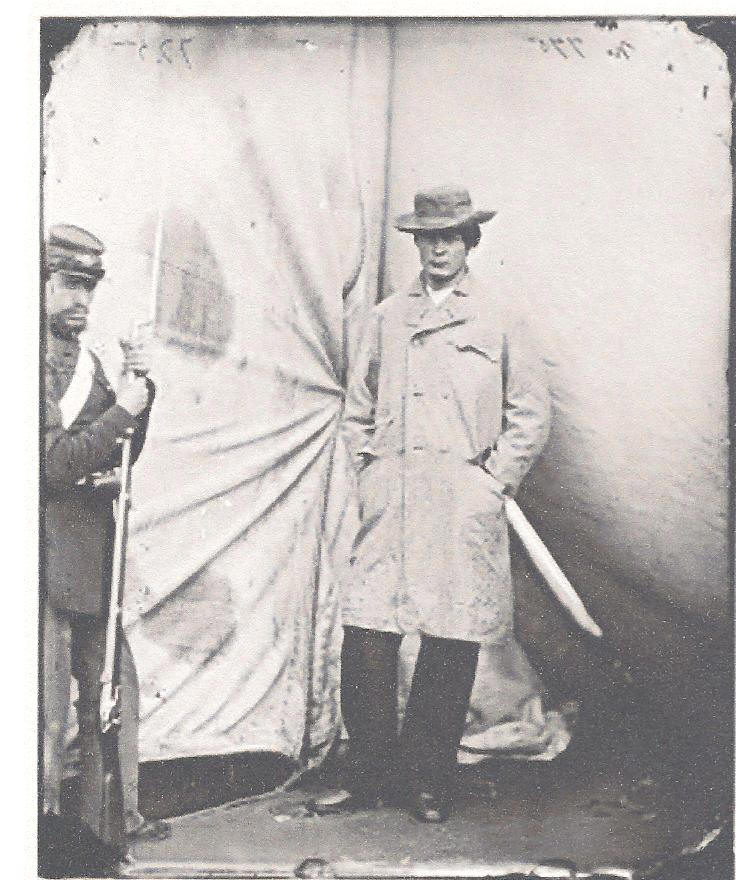
Lewis Powell in hat
and overcoat on U.S. monitor Saugus (Library of Congress LC-B817- 7775)
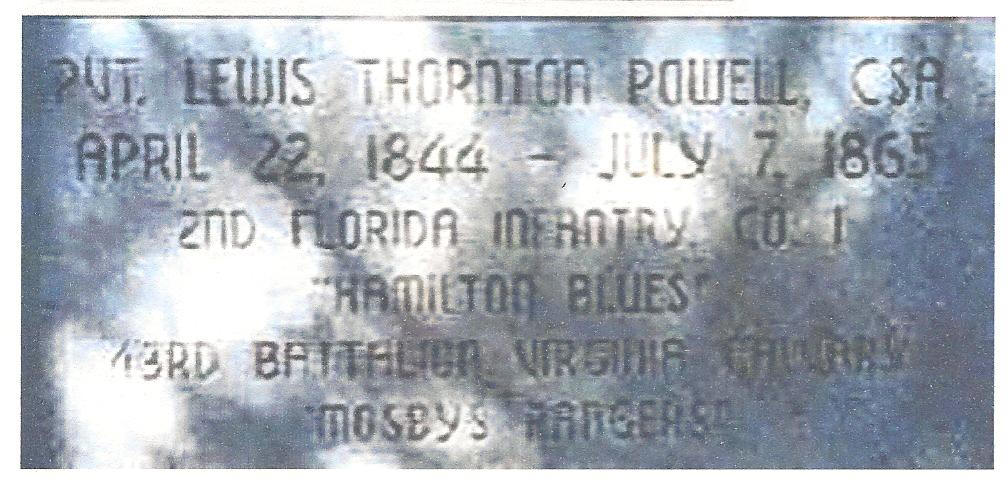
Gravestone of Lewis
Thornton Powell (Abraham Lincoln Research Site)
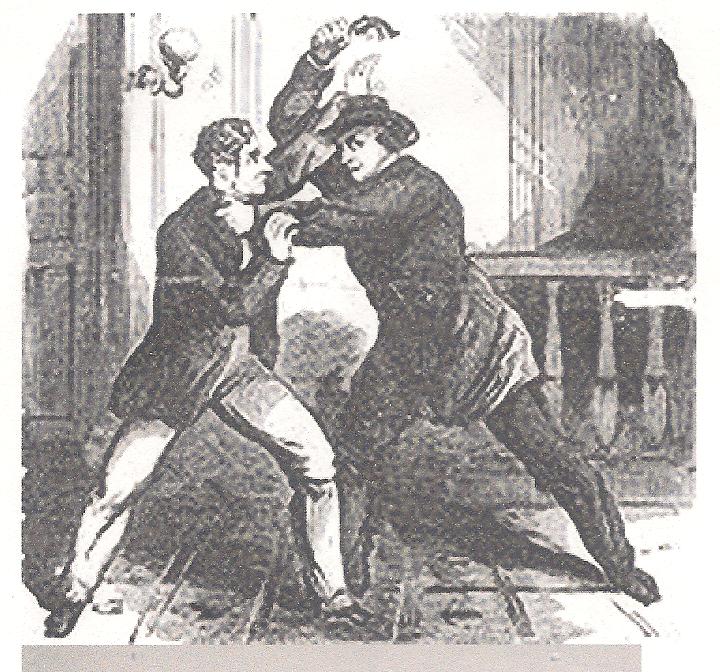
Lewis
Powell attacking Frederick Seward after attempting to shoot him.
Timeline of Lewis Thornton Powell
|
Date |
Event |
Location |
Rank |
Unit |
|
|
April 22, 1844 |
Born |
Randolph County, AL |
|
|
|
|
May 30, 1861 |
Appeared on roll |
|
Private |
Company I, 2nd Florida Infantry |
|
|
June 4, 1861 |
Enlisted |
Jasper, FL |
Private |
Company I, 2nd Florida Infantry |
|
|
November 1862 |
Hospitalized |
General Hospital #11, Richmond, VA |
|
|
|
|
July 2, 1863 |
Wounded |
Gettysburg, PA |
|
|
|
|
July 2, 1863 |
Captured |
Gettysburg, PA |
|
|
|
|
January 13, 1865 |
Took the oath |
|
|
|
|
|
July 7, 1865 |
Executed |
Washington, DC |
|
|
|
|
November 12, 1994 |
Interred |
Geneva Cemetery, Geneva, FL |
|
|
|
Executed July 7, 1865 at Washington,
District of Columbia County, DC. Hung for the attempted murder of Secretary
of State Seward as part of the Lincoln assassination conspiracy. Had Lewis Thornton Powell succeed in
assassinating Secretary
of State William Henry Seward, Alaska might never have become part of the United
States.
William Henry Seward, Sr. (May
16, 1801 – October 10, 1872) was a
Governor of New York,
United States Senator and the
United States Secretary of State under
Abraham Lincoln and
Andrew Johnson. An outspoken opponent of the spread of slavery in the years
leading up to the
American Civil War, he was a dominant figure in the
Republican party in its formative years, and was widely regarded as the
leading contender for the party's
presidential nomination in
1860 – yet his very outspokenness may have cost him the nomination. Despite
his loss, he became a loyal member of Lincoln's wartime cabinet, and played a
role in preventing foreign intervention early in the war.
On the night of
Lincoln's assassination, he survived an attempt on his life in the
conspirators' effort to decapitate the
Union government. As Johnson's Secretary of State, he engineered the
purchase of Alaska from Russia in an act that was ridiculed at the time as
"Seward's Folly," but which exemplified his character. His contemporary
Carl Schurz described Seward as "one of those spirits who sometimes will go
ahead of public opinion instead of tamely following its footprints."
24th
Secretary of State William Henry Seward.
The Alaska Purchase, historically also referred to as
Seward's Folly, was the purchase of
Alaska by the
United States
from the
Russian Empire
in 1867. The purchase, done at the behest of
United States Secretary
of State
William H. Seward,
gained 586,412 square miles (1,518,800 km²) of new
United States territory.
Originally organized as the
Department of Alaska,
the area was successively the
District of Alaska
and the
Alaska Territory
before becoming the modern
state of
Alaska upon
being admitted to the Union in 1959.
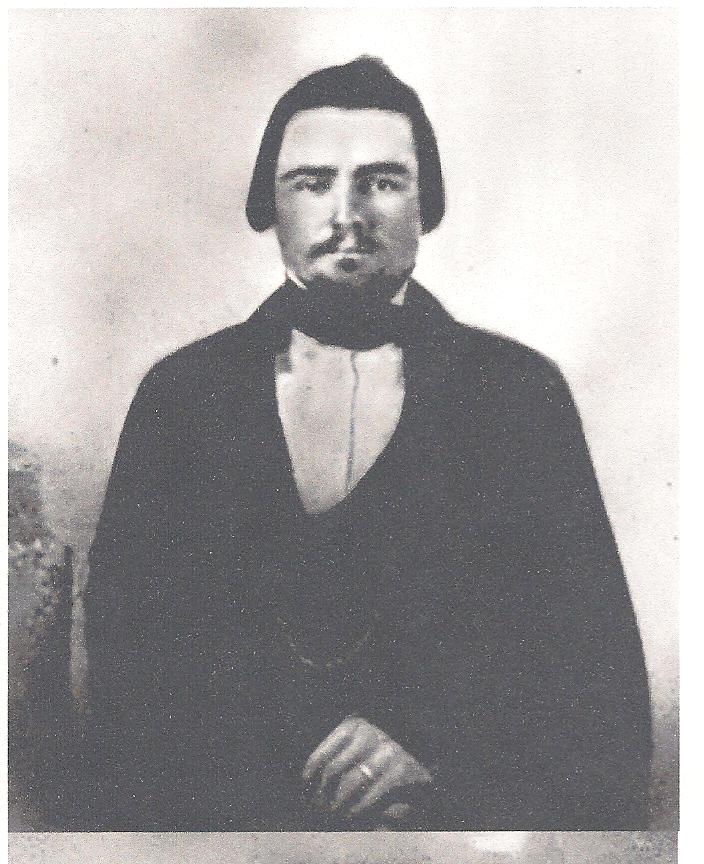
2nd Lt. John Quincy Stewart
Prewar Residences
Prewar Occupations
- Merchant / Businessman,
Hamilton County, FL
- Politician (state level),
Hamilton County, FL, 1860 - 1861. He represented Hamilton County in the
Florida Legislature.
Postwar Residences
Postwar Occupations
- Politician (state level),
Brevard County, FL. He represented Brevard County in the Florida House
of Representatives.
- Politician (local level),
Brevard County, FL. He served as Sheriff.
- Politician (local level),
Brevard County, FL. He served as Tax Collector.
Miscellaneous
- He was a member of UCV Camp #47.
Timeline of
John Quincy Stewart
|
March 22, 1832 |
Born |
Jasper, FL |
|
|
|
|
May 30, 1861 |
Appeared on roll |
|
1st Lieutenant |
Company I, 2nd Florida Infantry |
|
|
June 4, 1861 |
Enlisted |
Jasper, FL |
1st Lieutenant |
Company I, 2nd Florida Infantry |
|
|
May 11, 1862 |
Resigned |
|
|
|
|
|
August 2, 1862 |
Enlisted |
Jasper, FL |
Captain |
Company C, 2nd Florida Battalion |
|
|
August 23, 1864 |
Furloughed |
|
|
|
|
|
December 18, 1864 |
AWOL |
|
|
|
|
|
January 31, 1865 |
Resigned |
|
|
|
|
|
December 1865 |
Married |
|
|
|
|
|
February 16, 1895 |
Died |
|
|
|
|
|
|
Interred |
Cocoa, FL |
|
|
|
Col. George T. Ward
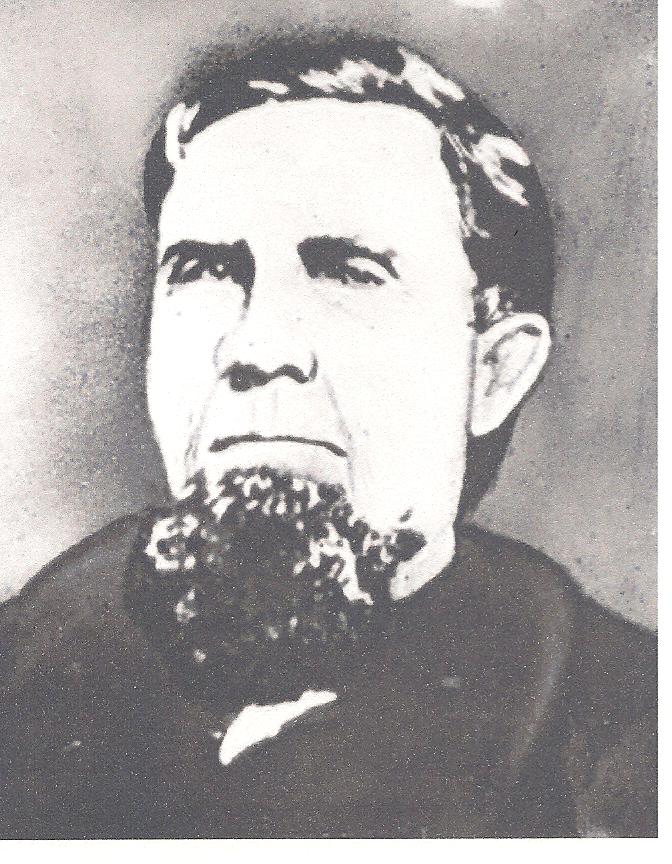
Colonel George T.
Ward, 2nd Florida Infantry, CSA (Florida State Archives).
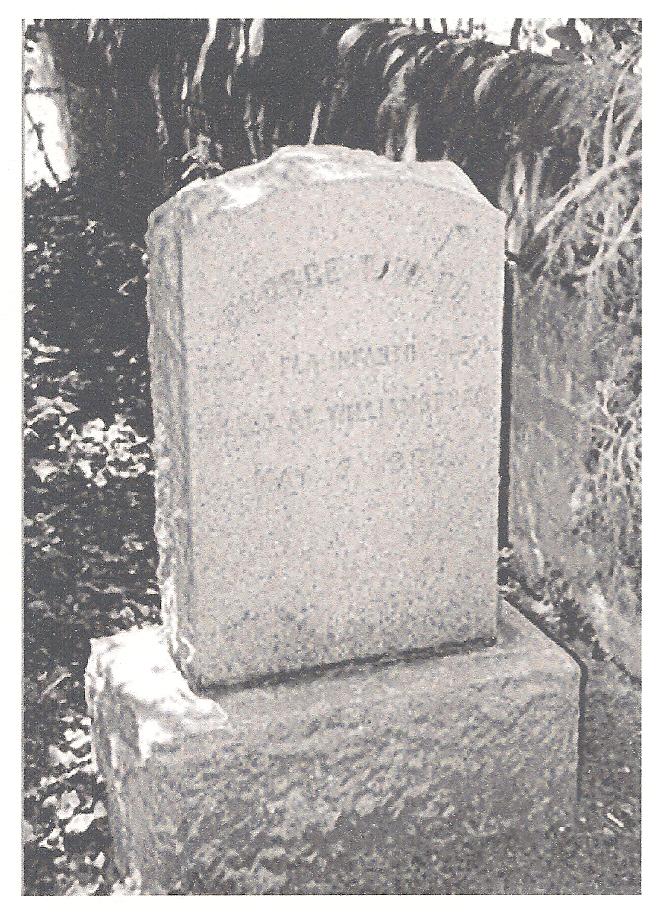
Grave of Colonel
George T. Ward, CSA (Tom McMahon)
-
Transylvania University, Lexington, KY. Graduate, Class of 1824.
Attended 1823 - 1824. He earned an AB degree. He is not listed in the 1821
or 1822 academic catalogs.
Prewar Occupations
- Banker,
Leon County, FL
- Planter,
Leon County, FL
- Politician (state level),
Leon County, FL. He was a delegate to the 1838 Florida Constitutional
Convention. He also ran unsuccessfully for Governor of Florida in 1852 as a
Whig.
Miscellaneous
- After marrying Sarah Jane Chaires, he
took ownership of Southwood, a sprawling plantation east of Tallahassee in
Leon County, FL.
- blue eyes
- dark hair
Timeline of
Col. George T. Ward
|
Date |
Event |
Location |
Rank |
Unit |
|
|
1810 |
Born |
Fayette County, KY |
|
|
|
|
February 8, 1844 |
Married |
Leon County, FL |
|
|
|
|
July 12, 1861 |
Elected |
Jacksonville, FL |
Colonel |
Staff, 2nd Florida Infantry |
|
|
May 5, 1862 |
Killed |
Williamsburg, VA |
|
|
|
|
May 6, 1862 |
Interred |
Bruton Parish Church, Williamsburg, VA |
|
|
|
Private
Francis Marion Hall
Prewar Residences
Postwar Occupations
Miscellaneous
- 5' 9.00"
- hazel eyes
- dark hair
- dark skin
|
Date |
Event |
Location |
Rank |
Unit |
|
|
July 18, 1842
|
Born |
Irwin County, GA
|
|
|
|
|
May 30, 1861
|
Appeared on roll
|
|
Private |
Company I, 2nd
Florida Infantry |
|
|
June 4, 1861
|
Enlisted |
Jasper, FL
|
Private |
Company I, 2nd
Florida Infantry |
|
|
June 30, 1862
|
Wounded |
Glendale, VA
|
|
|
|
|
July 3, 1863
|
Captured |
Gettysburg, PA
|
|
|
|
|
July 12, 1863
|
Imprisoned
|
Fort Delaware
Prison, Delaware City, DE |
|
|
|
|
June 10, 1865
|
Released on oath
|
Fort Delaware
Prison, Delaware City, DE |
|
|
|
|
September 19, 1865
|
Married |
|
|
|
|
|
March 31, 1911
|
Died |
Hastings, FL
|
|
|
|
Private
William Washington Tootle
Prewar Occupations
- Farmer,
Hamilton County, FL.
He lived and farmed with the Levy Starling family before the War and
enlisted with his close friend Thomas Starling.
|
Date |
Event |
Location |
Rank |
Unit |
|
|
1834 |
Born |
|
|
|
|
|
June 4, 1861
|
Enlisted |
Jasper, FL
|
Private |
Company I, 2nd
Florida Infantry |
|
|
February 8, 1862
|
Died |
Buglers Mill, VA
|
|
|
|
Private Silas Taft
Overstreet
Prewar Occupations
- Volunteer Soldier,
Florida.
He served in two campaigns against the Seminoles.
- Physician
Postwar Occupations
- Politician (state level). He helped
pass the Confederate Veteran Pension bill.
Miscellaneous
- 6'
- blue eyes
- light hair
-
light skin
|
Date |
Event |
Location |
Rank |
Unit |
|
|
April 3, 1830
|
Born |
Madison County, FL
|
|
|
|
|
May 30, 1861
|
Appeared on roll
|
|
Private |
Company I, 2nd
Florida Infantry |
|
|
June 4, 1861
|
Enlisted |
Jasper, FL
|
Private |
Company I, 2nd
Florida Infantry |
|
|
October 25, 1862
|
Discharged
|
General Hospital
#11, Richmond, VA |
|
|
|
|
April 5, 1864
|
Married |
|
|
|
|
|
November 6, 1877
|
Married |
|
|
|
|
|
October 3, 1905
|
Died |
Live Oak, FL
|
|
|
|
Private William Raybon Overstreet
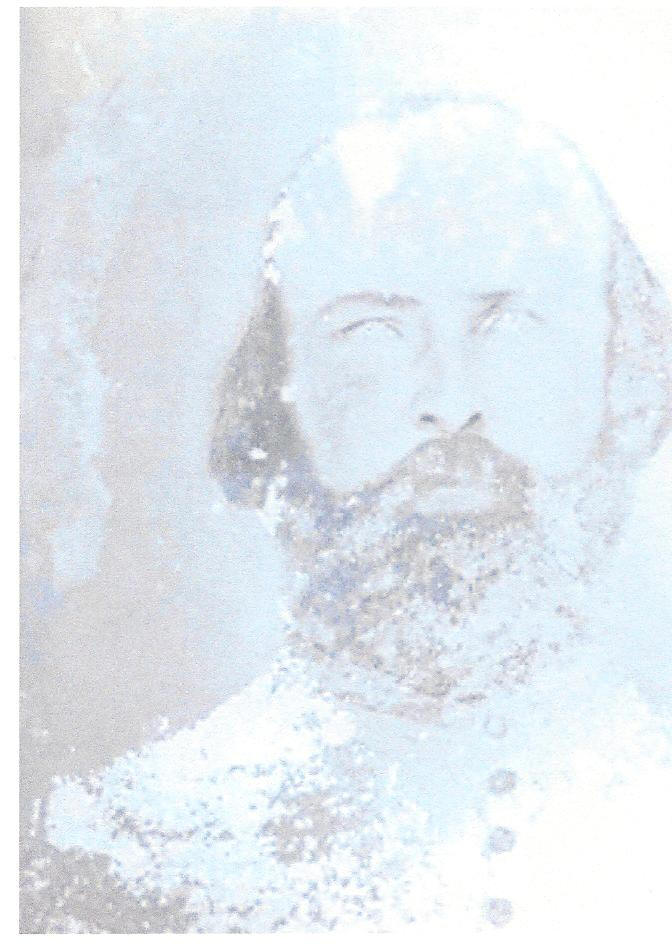
Private
William Raybon Overstreet (above)
Prewar Occupations
Miscellaneous
- His brother Silas Taff Overstreet also
fought in the Hamilton Blues.
- 5' 10.00"
- blue eyes
- black hair
-
dark skin
|
1828 |
Born |
|
|
|
|
|
June 4, 1861
|
Enlisted |
Jasper, FL
|
Private |
Company I, 2nd
Florida Infantry |
|
|
January 20, 1862
|
Wounded |
Wynn's Mill, VA
|
|
|
|
|
|
Discharged
|
|
|
|
|
|
April 12, 1862
|
Enlisted |
Columbus, FL
|
Private |
Company H, 8th
Florida Infantry |
|
|
July 5, 1863
|
Captured |
Gettysburg, PA
|
|
|
|
|
|
Imprisoned
|
Fort Delaware
Prison, Delaware City, DE |
|
|
|
|
October 17, 1863
|
Died |
Fort Delaware
Prison, Delaware City, DE |
|
|
|
|
|
Interred |
Fort Delaware
Prison Cemetery, Delaware City, DE |
|
|
|
Surgeon Moses
Shaw Thomas
|
Date |
Event |
Location |
Rank |
Unit |
|
|
October 16, 1861
|
Appointed
|
|
Surgeon |
Staff, 2nd Florida
Infantry |
|
|
April 9, 1865
|
Paroled |
Appomattox, VA
|
|
|
|
|
|
|
|
|
|
|
|
|
|
|
|
|
|
Private William Anderson
Bryant
Prewar Occupations
Postwar Residences
Miscellaneous
- 5' 2.00"
- blue eyes
- light hair
- light skin
|
October 5, 1844 |
Born |
Blount County, TN |
|
|
|
|
June 4, 1861 |
Enlisted |
Jasper, FL |
Private |
Company I, 2nd Florida Infantry |
|
|
Mid 1862 |
Wounded |
|
|
|
|
|
October 27, 1862 |
Furloughed |
|
|
|
|
|
Early 1865 |
Deserted |
|
|
|
|
|
December 16, 1866 |
Married |
|
|
|
|
|
October 18, 1923 |
Died |
Alachua County, FL |
|
|
|
Private Isham Dies
|
Date |
Event |
Location |
Rank |
Unit |
|
|
February 1, 1864 |
Enlisted |
Lake City, FL |
Private |
Company I, 2nd Florida Infantry |
|
|
|
Transferred |
|
Private |
Company K, 8th Florida Infantry |
|
|
June 20, 1864 |
Wounded |
Cold Harbor, VA |
|
|
|
|
|
Furloughed |
|
|
|
|
|
|
Absent |
|
|
|
|
Private James Ladston
Jordan
Postwar Occupations
- Administrator (local level), 1904 -
1910. He served as Escambia County's Commissioner.
Miscellaneous
- He and his wife raised ten children.
- He was active in UCV General Clanton
Camp #1072.
|
May 10, 1846 |
Born |
McDade's Pond, FL |
|
|
|
|
March 25, 1862 |
Enlisted |
Bluff Springs, FL |
Private |
Company I, 1st Florida Infantry (New) |
|
|
January 1864 |
Wounded |
Marietta, GA |
|
|
|
|
Early 1864 |
Absent |
Pollard, AL |
|
|
|
|
Early 1865 |
Furloughed |
|
|
|
|
|
|
Married |
|
|
|
|
|
November 23, 1920 |
Died |
|
|
|
|
|
|
Interred |
Travelers Rest Cemetery, Flomaton, AL |
|
|
|
Colonel Walter Raleigh Moore
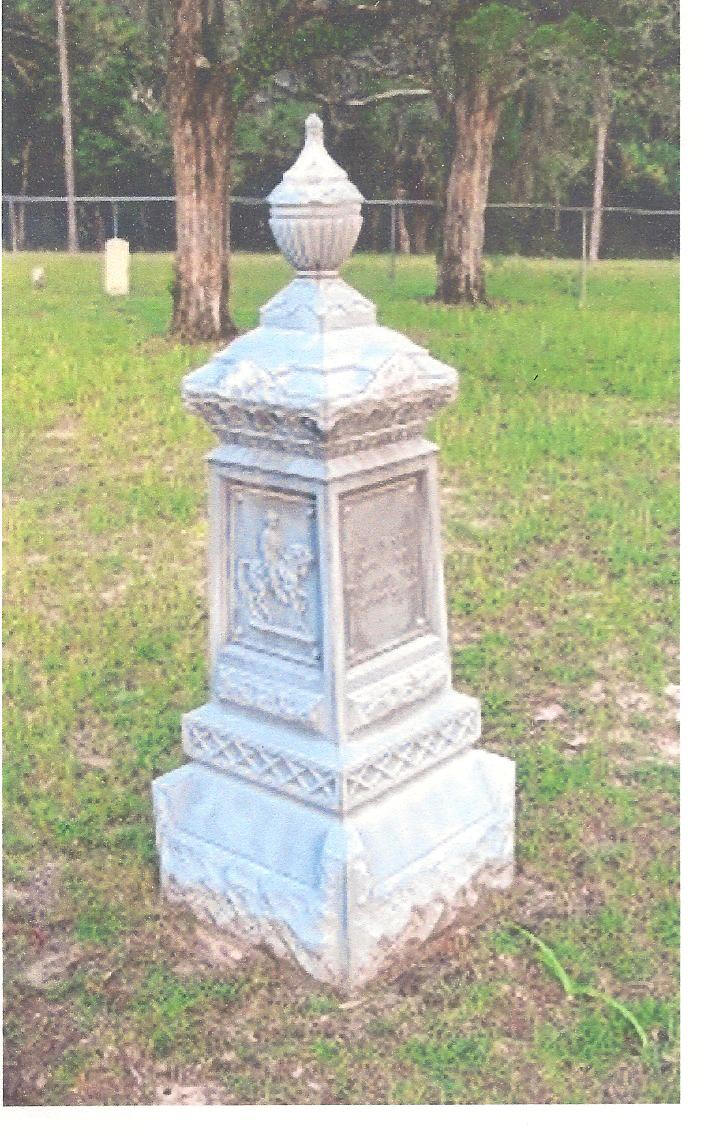
Grave
of Col. Walter Raleigh Moore
Miscellaneous
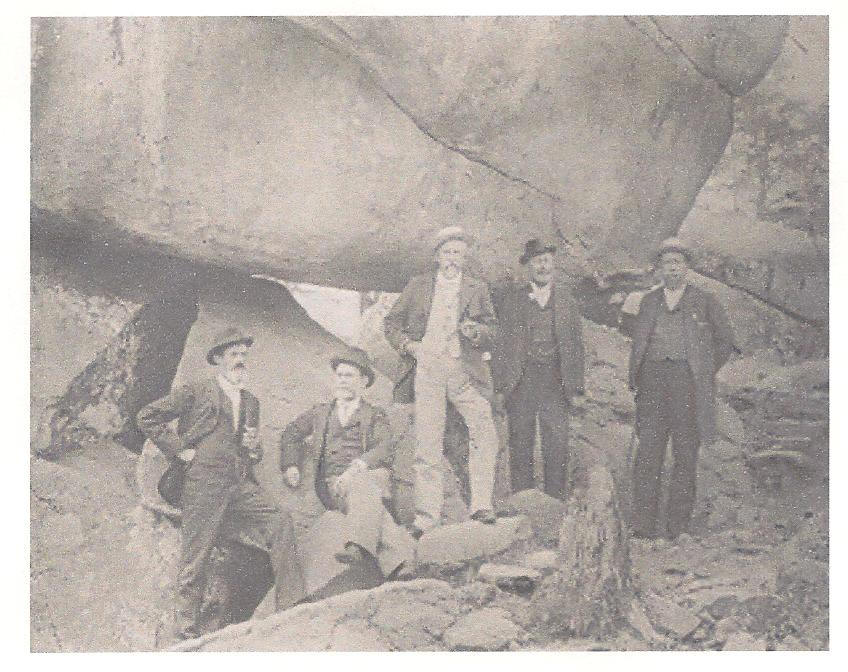
- Visited Gettysburg, PA with David Lang
and William Duncan Ballantine after the war.
-
His father's name was Joseph and
his mother's name was Elpenice (Celia) Stanford.
|
Date |
Event |
Location |
Rank |
Unit |
|
|
May 9, 1832
|
Born |
Warsaw, NC
|
|
|
|
|
May 23, 1861
|
Enlisted |
Lake City, FL
|
Captain |
Company C, 2nd
Florida Infantry |
|
|
May 31, 1862
|
Wounded |
Seven Pines, VA
|
|
|
|
|
May 31, 1862
|
Promoted |
|
Major |
Staff, 2nd Florida
Infantry |
|
|
May 3, 1863
|
Wounded |
Chancellorsville, VA
|
|
|
|
|
|
Hospitalized
|
|
|
|
|
|
July 2, 1863
|
Wounded |
Gettysburg, PA
|
|
|
|
|
July 3, 1863
|
Captured |
Gettysburg, PA
|
|
|
|
|
|
Imprisoned
|
Johnson's Island
Prison, Mineyahta-on-the-Bay, OH |
|
|
|
|
Sometime in 1863
|
Promoted |
|
Lieutenant Colonel
|
Staff, 2nd Florida
Infantry |
|
|
July 12, 1864
|
Promoted |
|
Colonel |
Staff, 2nd Florida
Infantry |
|
|
October 11, 1864
|
Exchanged
|
|
|
|
|
|
October 21, 1864
|
Furloughed
|
|
|
|
|
|
December 6, 1864
|
Married |
Columbia County, FL
|
|
|
|
|
April 9, 1865
|
Paroled |
Appomattox, VA
|
|
|
|
|
October 9, 1898
|
Died |
Wellborn, FL
|
|
|
|
|
|
Interred |
Huntsville Methodist
Church, Lake City, FL |
|
|
|
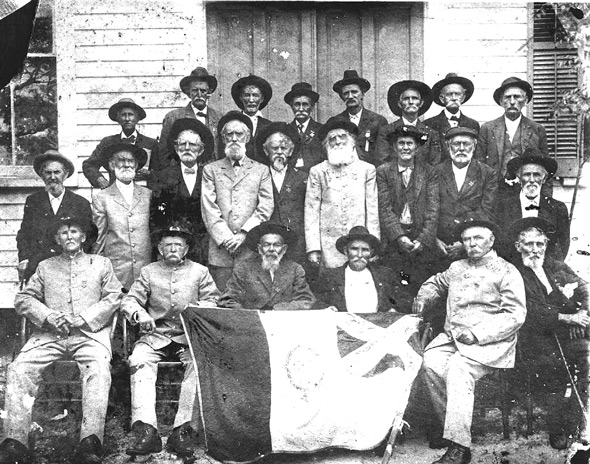
Wakulla County, Florida, Civil War Veterans, probably 1904 Courtesy of
Florida State Univ.
HOME